
This website is full of artworks of people who are in Asia
The Asian art or Eastern art, includes a vast range of influences from various cultures and religions. Developments in Asian art historically parallel those in Western art, in general a few centuries earlier.Chinese art, Indian art, Korean art, Japanese art, each had significant influence on Western art, and, vice versa. Near Eastern art also had a significant influence on Western art. Excluding prehistoric art, the art of Mesopotamia represents the oldest forms of Asian art.
Author: ArtsAA
We consider ourselves active learners in art.
"Artists who seek perfection in everything are those who cannot attain it in anything."
Sun Jun
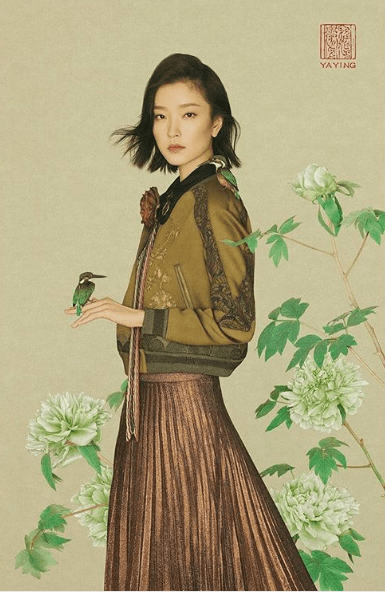
It’s easy to tell Sun Jun’s works from others – his works are usually characterized by elements from the traditional Chinese paintings. But if you think it’s easy to recreate his works with Photoshop, you are being too optimistic. Having begun to learn Chinese painting since the age of 7 and graduated from the China Academy of Art, Jun already has the knowledge of Chinese art deeply rooted in his blood.
Boy Power!, by Tianju Duan
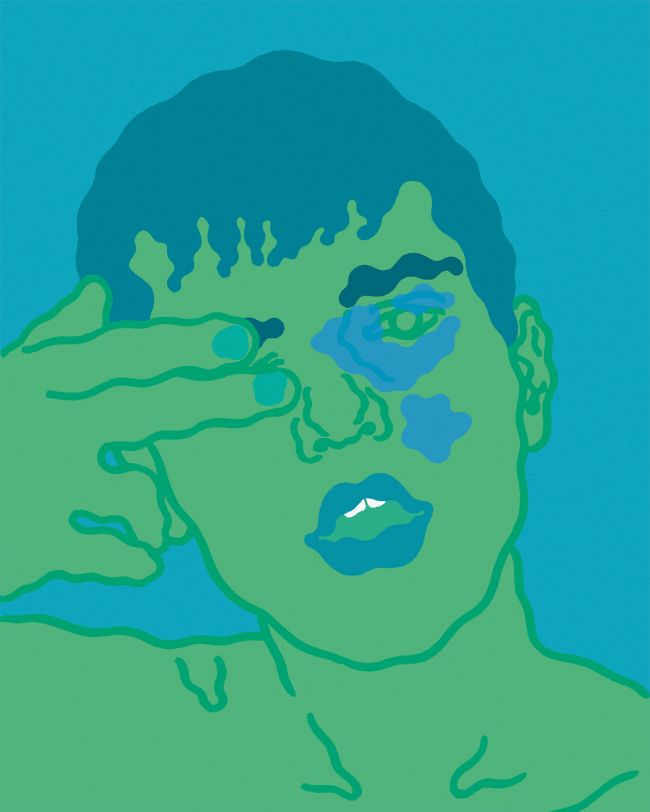
This illustration celebrate male beauty, and he seems to critique the idea of a digital vector image via his use of colour and quivering linework,” enthuses Lizzie Finn, course leader in MA Illustration and Visual Media at London College of Communication, UAL, from which Duan graduated in 2015. He’s also won acclaim for his contribution to the 36 Days of Type project, which combines characters from the alphabet with famous celebrity images in a way that seems immediately iconic and familiar.
Tianju Duan is an illustrator, Graphic Designer and a Printmaker, He is riginally from China and currently based in Copenhagen, Duan works as a freelance illustrator for clients worldwide, helped by the fact that he speaks English, Spanish and Chinese. He describes his style as “fun, colourful, sensual and emotional; I usually hand-draw shapes with markers and then colour them digitally.”
Ghostblade by wlop
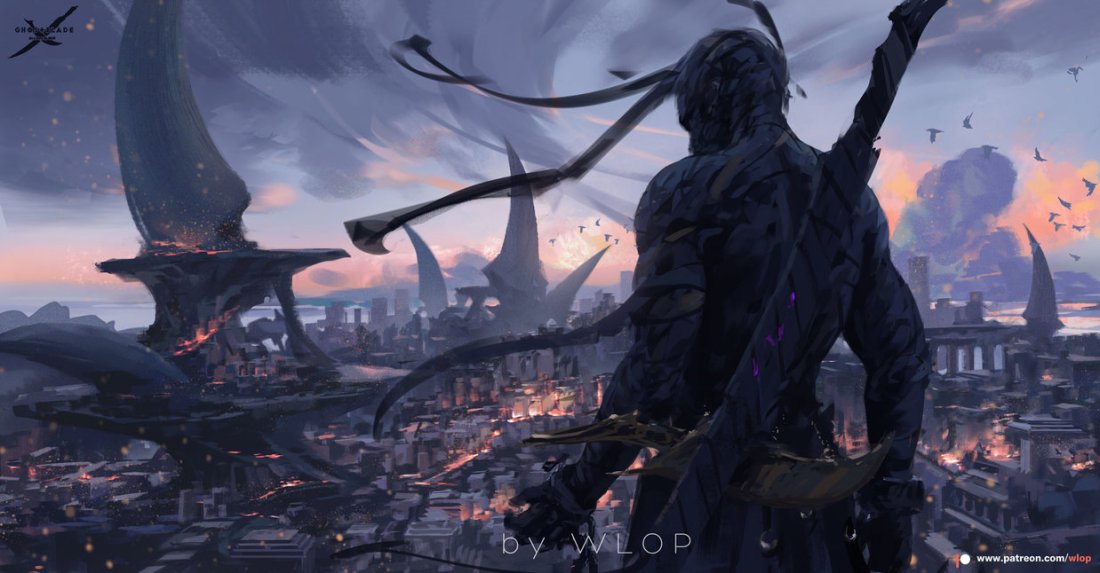
Wang Ling (Wlop) is a hobbyist digital artist, born in China. His illustrations are from the fantasy world of stories. His style is recognized by fascinating characters and a couple of elements always present as rain, water and wind.
Arts Around Asia
Asian art is diverse and rich spanning thousands of years and dozens of countries. It is known for its ritual bronzes, beautiful ceramics, jades, textiles, poetic painted landscapes, garden design, elaborate goldwork, extraordinary temples, shrines, pagodas and stupas, woodblock prints, shadow puppets and the highest art form in East Asian art—calligraphy. Enduring Asian treasures include works such as Fan Kuan’s Travellers among Mountains and Streams, Katsushika Hokusai’s Fugaku sanjurokkei (‘Thirty-six views of Mt Fuji’) series, and Basawan’s Akbar Restraining the Enraged Elephant Hawa’i. Today the impact of Asia on contemporary art is immense. Since the 1990s, Asian contemporary art has grown exponentially due to a mushrooming of regional biennials and triennials, new contemporary art museums, and the international recognition of artists such as Chinese-born Cai Guo-Qiang, Japanese-born Miwa Yanagi, Korean artist Suh Do-Ho and the Thai artist Rirkrit Tiravanija.
The Lost Rolls, by Ron Haviv
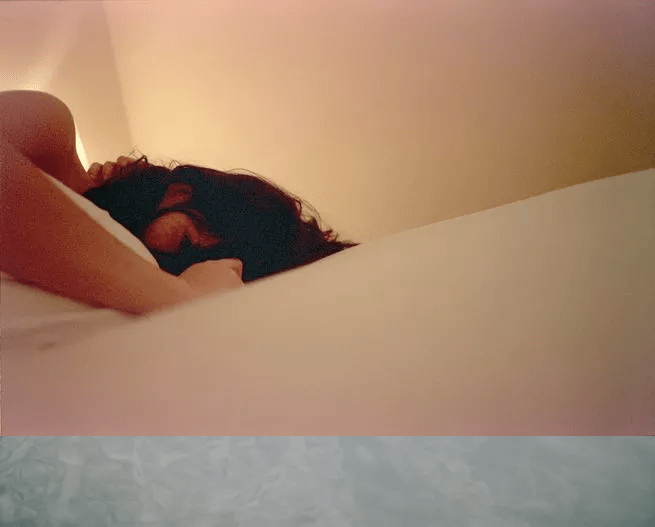
When prolific photojournalist Ron Haviv began developing his unproccessed rolls of film he wasn’t quite sure what he’d find—some of these rolls had been sitting undeveloped for close to 25 years. Although their were plenty of light leaks and even some mold, he did end up with some forgotten gems. At Photoville he will present some of his favorites from his book The Lost Rolls which explore how time and memory have changed as photography shifts away from analog film to digital.
Water Stories, by Mustafa Abdelaziz
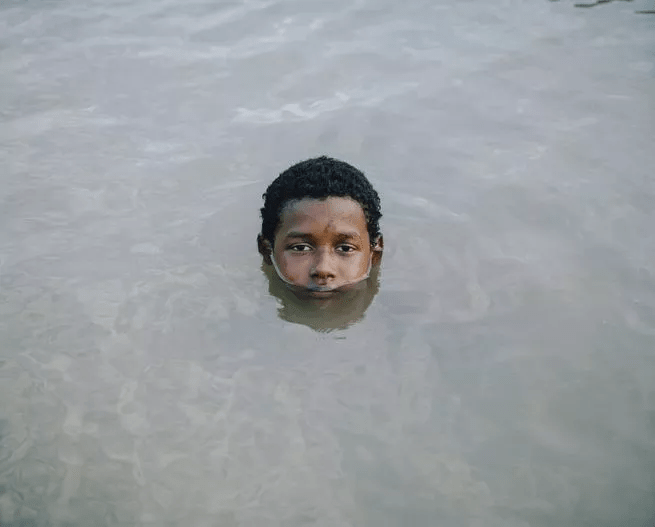
Mustafa Abdelaziz presents images from four continents that demonstrate the ongoing global water crisis. At Photoville 70 of these images will be shown in massive light boxes alongside the East River waterfront.
 Arts AA